
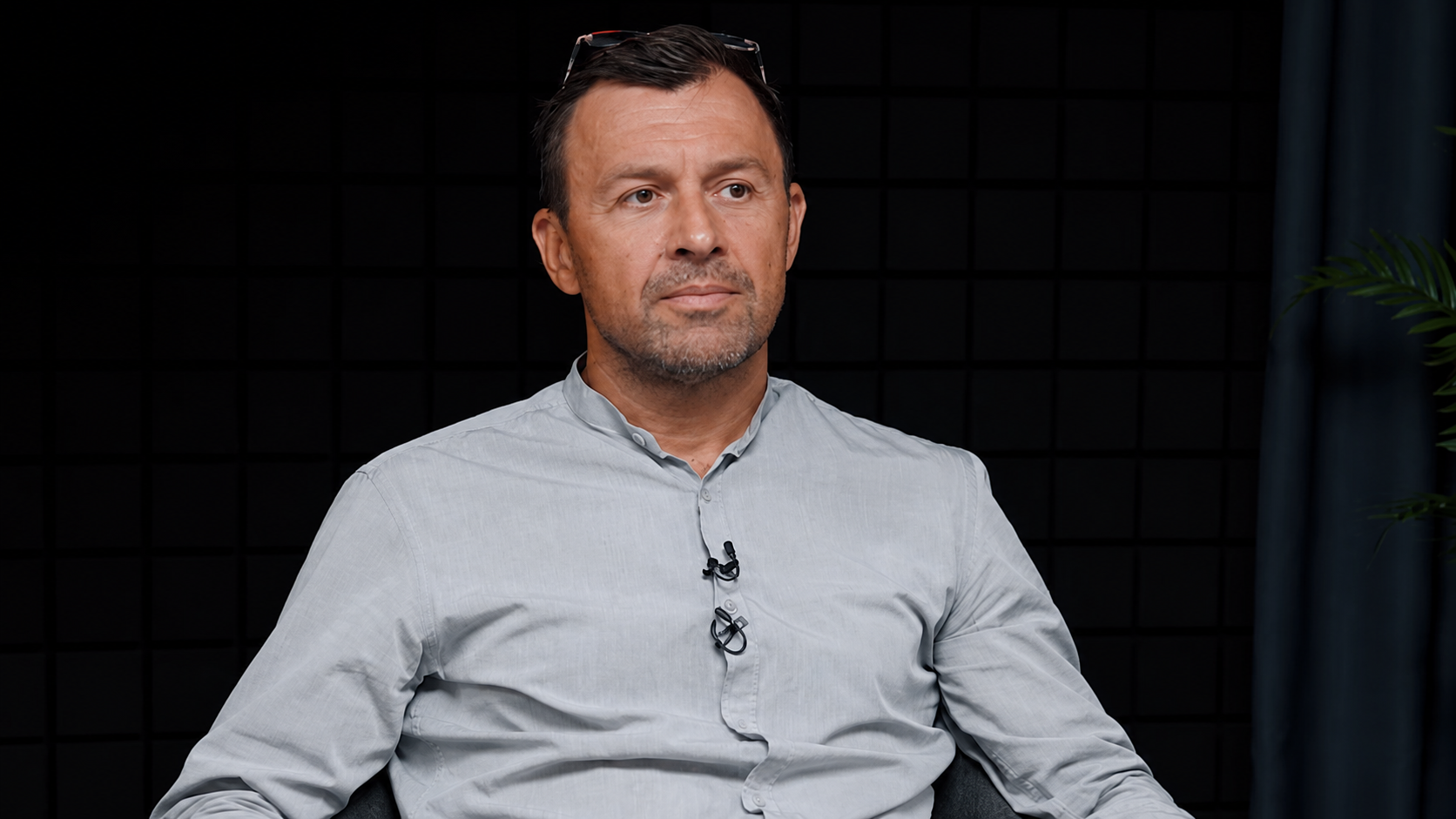
Ukrainian financial expert and former banker Andriy Onistrat has delivered a stark assessment of the country’s economic situation in a recent podcast appearance, drawing parallels between current conditions and the devastating financial crisis of 1998. Speaking on the fourth episode of the “Money of War” podcast on the LIGA Business YouTube channel, Onistrat painted a sobering picture of how Russian military aggression has systematically dismantled Ukrainian business infrastructure while pushing millions into poverty.
The interview comes at a critical juncture for Ukraine’s economy, which has been under unprecedented strain since Russia’s full-scale invasion began in February 2022. According to World Bank estimates, Ukraine’s GDP contracted by approximately 29% in the first year of the war alone, representing one of the most severe economic collapses in modern European history. The destruction of industrial facilities, displacement of workers, and disruption of trade routes have created compound challenges that continue to reverberate through every sector of the economy.
The 1998 Crisis Parallel: Understanding the Historical Context
Onistrat’s reference to 1998 carries significant weight for Ukrainians who lived through that turbulent period. The 1998 Russian financial crisis, triggered by the collapse of the ruble and a government default on domestic debt, sent shockwaves throughout the former Soviet states. Ukraine, still deeply economically intertwined with Russia at the time, experienced severe consequences including currency devaluation, banking sector instability, and a sharp decline in living standards. The hryvnia lost significant value, inflation soared, and many ordinary citizens saw their savings evaporate virtually overnight.
Drawing this parallel, Onistrat suggests that Ukraine may be approaching a similar inflection point, though the causes are fundamentally different. While the 1998 crisis was primarily a financial contagion event, the current situation stems from the physical destruction of productive capacity, the displacement of approximately eight million refugees abroad, and the massive redirection of state resources toward defense spending. The Ukrainian government has been forced to dedicate over 50% of its budget to military expenditures, leaving critical social programs and economic development initiatives severely underfunded.
Russian Strategy: Systematic Destruction of Economic Infrastructure
A central theme of Onistrat’s analysis focuses on what he describes as Russia’s deliberate strategy to destroy Ukraine’s economic foundations. This goes beyond the immediate military objectives and represents a calculated effort to render Ukraine economically unviable in the long term. Russian missile and drone strikes have specifically targeted energy infrastructure, with estimates suggesting that over 50% of Ukraine’s power generation capacity has been damaged or destroyed since the invasion began. This has forced businesses to invest heavily in generators and alternative power sources, dramatically increasing operational costs and reducing competitiveness.
The agricultural sector, historically one of Ukraine’s economic pillars, has also suffered tremendously. Ukraine was once known as the “breadbasket of Europe,” producing enough grain to feed hundreds of millions of people globally. The war has disrupted planting and harvesting cycles, contaminated farmland with unexploded ordnance, and complicated export logistics despite international efforts to maintain grain corridors. Small and medium-sized enterprises, which form the backbone of any healthy economy, have been particularly vulnerable, with many forced to close permanently or relocate operations abroad.
Rising Poverty and Social Consequences
Perhaps most concerning in Onistrat’s assessment is the dramatic expansion of poverty across Ukraine. Before the full-scale invasion, Ukraine had made significant progress in reducing poverty rates, which had fallen to approximately 2% by 2021 according to World Bank metrics. However, the war has reversed decades of development gains almost overnight. Current estimates suggest that poverty rates have increased tenfold or more, with millions of Ukrainians now struggling to meet basic needs including food, heating, and medical care.
The poverty crisis has been exacerbated by massive internal displacement, with an estimated 6.9 million Ukrainians displaced within the country’s borders. Many have fled from productive industrial regions in the east to western areas with fewer employment opportunities. This demographic shift has created labor market distortions, with some regions experiencing severe worker shortages while others face unemployment challenges. The psychological toll of constant air raid alerts, uncertainty about the future, and separation from family members has also impacted worker productivity and entrepreneurial initiative.
Looking Forward: Recovery Challenges and International Support
International financial support has been crucial in preventing complete economic collapse. The International Monetary Fund, World Bank, European Union, and individual donor countries have provided tens of billions of dollars in financial assistance to keep the Ukrainian government functioning and basic services operational. However, Onistrat and other analysts warn that this support, while essential, cannot substitute for genuine economic recovery and may be creating dependencies that will be difficult to unwind.
The path to economic recovery will ultimately depend on the war’s outcome and duration. Reconstruction costs are already estimated in the hundreds of billions of dollars, and the longer the conflict continues, the larger this figure grows. Ukraine will need massive investment in infrastructure, housing, energy systems, and industrial capacity. Perhaps equally important will be rebuilding human capital—retaining educated workers, retraining those displaced from destroyed industries, and creating conditions that encourage refugees to return. The economic challenges facing Ukraine represent not just a national crisis but a test case for how the international community responds to large-scale economic destruction in the 21st century.
Expert Opinion: The comparison to 1998 underscores a critical threshold moment for Ukraine’s economy, but unlike that crisis, recovery here depends on geopolitical factors beyond pure economic policy. International donors must recognize that sustained multi-year commitments—not just emergency aid—will be essential to prevent a generation of Ukrainians from being permanently trapped in poverty. The real risk is not just immediate collapse but a prolonged “lost decade” of stagnation that could undermine support for democratic reforms and European integration.